 By Mary Ann Lambert, Development Director
Grandmother Laura is speaking out about the challenges she faced in trying to secure legal guardianship of her granddaughter, highlighting both the emotional toll of family separation and the complexity of navigating the court system without legal support.
Laura sought guardianship of her granddaughter, Ramona, after growing concerns about the child’s safety, stability, and access to care. Ramona was diagnosed with autism at a young age and required several hours of daily therapy, including behavioral support, speech therapy, and nutritional guidance. Consistent attendance at these services was critical to her development.
But Laura said Ramona’s mother, who had documented instances of drug use, was not reliably taking her to appointments or maintaining her treatment plan. As Ramona’s primary day-to-day caregiver in practice, Laura stepped in to ensure the child’s needs were being met — but soon encountered a major legal barrier.
Even though she was acting as Ramona’s primary caretaker, Laura explained that without court-recognized guardianship, she had no legal authority to take her granddaughter to medical appointments, consent to treatment, or enroll her in school.
To address this, Laura sought help from the King County Bar Association through its Legal Advice and Referral for Kinship Care (LAARK) program. LAARK gave her legal advice and referred her to KCBA’s Kinship Care Solutions Project for more comprehensive assistance.
Through the Kinship Care Solutions Project, Laura was paired with pro bono volunteer attorney Jami, who helped her navigate the complex guardianship process, including legal forms, filing procedures, and court requirements. The assistance was especially critical because Spanish is Laura’s primary language, and she faced additional barriers to understanding legal terminology and documentation.
Laura described the emotional strain of the situation, particularly the conflict surrounding her granddaughter’s medical needs and her mother’s resistance to treatment.
“The disagreements we had with Ramona’s mother were emotionally devastating because she didn’t realize that Ramona needed medical help for her diagnosis,” Laura said.
 She also emphasized how difficult it was to navigate the system alone. “I realized that I couldn’t do it alone. The legal language was confusing, even after translating,” she said.
Despite the stress, Laura said the legal support helped her push forward through a process that often felt overwhelming. “Every legal process is emotionally devastating. But after the storm came the calm,” she said.
After obtaining court-ordered guardianship, Laura was finally able to fully access medical care and educational services for Ramona, removing long-standing barriers that had prevented consistent treatment and school enrollment.
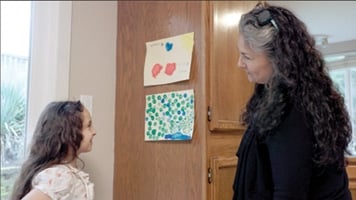
Today, Ramona is thriving. She spends her time making art and playing games with her grandmother, and she has built a more stable and positive relationship with both her mother and father since Laura became her legal guardian.
Advocates note that kinship caregivers — relatives who step in to raise children when parents are unable to do so — often face urgent legal and logistical challenges, particularly when formal guardianship is required for access to healthcare or to protect the child’s safety.
Programs like those offered through the King County Bar Association aim to bridge that gap by providing free legal assistance to caregivers navigating these complex and emotionally charged situations. The Kinship Care Solutions Project trains and mentors attorneys to assist caregivers like Laura. Volunteer attorney Jami described the experience as “very personally rewarding.”


