 By Eric Gillett
Last month, we celebrated the birthday of Martin Luther King Jr. as well as our former Presidents. These individuals are great examples of what it means to be a guiding light. I think it is appropriate to discuss the importance of becoming a guiding light for others.
When I was a new lawyer, I remember arguing my first summary judgment motion in federal court. I was lucky enough to have a senior partner join me. He went so far as to introduce me to the judge, who graciously welcomed me as a new member of the bar and then asked me to proceed. I have no recollection of what I was arguing. What I remember is that early on in my argument, the Court stopped me and turned to the opposing counsel to ask him to address a point I had just argued. I stood there (yes, I was taught you always stand when you address the Court). I stood there and watched the Judge and my opponent go back and forth, the Court mostly endorsing my argument and repeatedly challenging my opponent to respond. It was during this exchange that I noticed my mentor subtly motioning for me to sit. And so I did.
After what seemed like an eternity but was more likely only a minute or two, the Judge looked back at me and asked me to continue. My instinct was to jump back to where I had left off, but again my mentor was there to help. Before we arrived at Court that day, we had a discussion about the importance of “reading the room.” I had just witnessed the Court championing my position. I recognized that I did not need to go back and do it again. So I proceeded to address the couple remaining arguments and then sat down on my own.
While I remember my motion was granted, as I said, I don’t remember what it was about. And this serves to emphasize what was most important about that hearing. It wasn’t that I won, it was what I learned about reading the room, or what is more precisely referred to as “emotional intelligence.”
In an era where the legal profession is evolving into a more remote environment, where we may not see our colleagues every day at the office, the role of older lawyers mentoring younger lawyers, particularly in mediation, has never been more crucial. Mediation hinges significantly on soft skills, negotiation tactics, and emotional intelligence—qualities that experienced practitioners have honed over years and decades of practice. This month I want to shine a light on the vital relationship between seasoned attorneys and their junior colleagues in preparing for and conducting mediations, revealing how mentorship nurtures the future of our legal practice and guides others to a better tomorrow.
The Essence of Mediation
Mediation is not merely about legal acumen; it demands the art of persuasion, the sensitivity to human emotions, and the ability to foster collaboration. As legal disputes grow increasingly complex and emotionally charged, the importance of skilled mediators—those who can navigate these challenges with grace and insight—cannot be overstated. Older lawyers, with their wealth of experience, are the perfect stewards for imparting these essential skills.
Bridging the Gap Between Theory and Practice
For many young lawyers, law school primarily offers theoretical knowledge. While they learn the principles of law, negotiation tactics are often underemphasized. Here, older lawyers step in to bridge this educational gap. Their experiences not only provide practical insights into the mediation process but also exemplify how to carry emotional intelligence into legal discussions.
Mentoring young lawyers involves sharing stories from the trenches—case studies that illustrate strategies that worked, and even those that fell short. These real-world examples serve as foundational lessons in preparation, strategy development, and adaptability, all of which are invaluable in the context of mediation.
The Art of Preparation
Preparation is the cornerstone of successful mediation. Young lawyers may find themselves overwhelmed by the diverse elements that require careful consideration leading up to a mediation session. Older lawyers offer an invaluable perspective on this preparation phase. They equip young practitioners with tools to assess the strengths and weaknesses of their cases thoughtfully.
Discussing Case Assessment
Experienced attorneys can guide young lawyers on how to evaluate their clients’ positions critically, anticipate counterarguments, and formulate effective strategies. This insight into thorough case assessment allows mentees to come to mediation well-prepared, making them confident advocates for their clients.
Additionally, the wisdom of older lawyers helps young practitioners understand the importance of empathy in preparing their clients for mediation. Mentors can show them how to counsel clients on managing expectations, recognizing the value of compromise, and understanding the mediation process itself. These nuances can significantly influence outcomes and contribute to a more constructive atmosphere during the mediation sessions.
Mastering the Dynamics of Mediation
Mediation is, above all, a dynamic process. The interaction between parties, their representatives, and the mediator is fluid, with emotions and tensions fluctuating throughout. Older lawyers possess experience in these nuances, and they can teach younger attorneys how to navigate these dynamics effectively.
Another benefit I enjoyed as a young lawyer was the opportunity to attend mediation with a more experienced lawyer. My role was limited at first to organizing documents or summarizing depositions, ready to answer any factual question raised by the opposition, the mediator, or my boss. But watching these more experienced lawyers work their craft like the experts they had become provided me with invaluable insight that set the stage for me to grow and become an expert myself.
Learning from the Masters
By sharing anecdotes and reflecting on their mediation experiences, older lawyers can impart lessons about flexibility and responsiveness in a mediation setting. Young lawyers benefit from understanding that, while having a strategy is essential, being attuned to the mood of the room and adapting one’s approach on the fly is equally important.
In this regard, experienced mediators often share techniques they’ve employed to diffuse tension and de-
escalate conflicts, showcasing the artistry involved in guiding parties toward resolution. This mentorship promotes a balance between assertiveness and tact, urging young lawyers to cultivate their negotiation styles while remaining open to the subtleties of human interaction.
Cultivating Emotional Intelligence
Mediation transcends mere legal negotiation; it is about human connection. Many older lawyers have mastered the art of emotional intelligence, understanding when to push for a point and when to yield. This balance is often what distinguishes a competent lawyer from an exceptional one.
Mediators should also take the time to mentor younger attorneys in developing their emotional intelligence by demonstrating how to read body language, voice tone, and the overall dynamics of the discussion. These skills can lead to more effective communication and rapport-building with clients and opposing parties alike. If you are a younger lawyer honing your craft for the first time, don’t hesitate to use some of your time with the mediator to understand how he or she reads the room, what emotional intelligence skills are they bringing to bear.
The Ripple Effect of Mentorship
The impact of older lawyers mentoring young lawyers extends beyond individual attorney development. As young attorneys gain confidence and skill in mediation, the standards of practice across the profession are elevated. This creates a ripple effect that enhances the overarching legal community, ultimately benefiting many clients seeking resolution through mediation.
As an “older lawyer,” I sometimes wonder how I can stay relevant. I’ve learned so much and love my profession because it has been filled with opportunities regularly to learn something new. So what better way to stay relevant than to pass it on. But the bond between older and younger lawyers in the context of mediation is not just about passing on knowledge; it’s about nurturing a culture of collaboration, understanding, and excellence. As older lawyers invest their time and expertise into mentoring the next generation, they cultivate not only skilled negotiators but also future leaders who will elevate the practice of law. By embracing this responsibility, experienced attorneys can ensure that mediation remains a powerful tool for dispute resolution, paving the way for a more harmonious and just legal landscape.
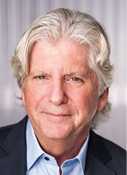
Eric Gillett is a founding member and managing partner at Preg, O’Donnell & Gillett. Follow him on LinkedIn at https://www.linkedin.com/in/eric-gillett. He is licensed in Washington, Oregon, and Alaska. He has tried dozens of cases to verdict and mediated hundreds more. A navigator of resolutions, he is a commercial mediator and can be contacted through his legal assistant, Jasmine Reddy, at 206.287.1775 or jreddy@pregodonnell.com. You can also reach him through his website at www.gillettmediation.com and his email at egillett@pregodonnell.com or eric@gillettmediation.com. Mediations are available both in person and via Zoom.


