 By Eric Gillett
As anyone familiar with our current political climate knows, we are a nation divided, polarized and deeply intransigent. The purpose of this article is not to address the merits of either position or discuss politics. That is for another article written for another day, and probably better done by someone more qualified. The purpose of mentioning this idea of a divided and polarized electorate is to compare it to how we operate when attempting to mediate. How do we expect to resolve a dispute if the opposing sides are unwilling to see the other’s point of view? How do we find compromise when to do so would mean you must ignore what you so deeply believe is right and just? Is it any different for legislators from both sides of the aisle who must cross the aisle if they expect to pass a law? In other words, why should we negotiate?
Early in my career, I learned that the best trial attorneys spend as much time preparing their opponents case as they do their own. They take on the mantle of the opposing counsel and prepare the best case they can devise. In that way, they can see another point of view.
If you have ever had the privilege to prepare a mock trial or focus group to test your theories before an actual trial, then you have already participated in the process of seeing a case from the opponent’s point of view. It is truly the gold standard for gaining this understanding. Not only are you forced to examine all the evidence, good and bad, but you are challenged to put the best spin on it through the lens of your opponent. You learn that every case has strengths and weaknesses. And when you listen to your focus groups discuss the presentations, you get some idea of how twelve normal jury members interpret that evidence. If the work is well done by you and your colleagues, there is always something to learn from the other point of view.
Not every case justifies a focus group. They are expensive. But it is also not necessary to engage a professional consulting firm to accomplish the result described above. If you put in the work, you can do this very economically. First, you need to know the case, inside and out. Then you need to ask yourself how would you win this case if you were representing the opposing side? What evidence becomes important? What arguments are compelling? Then answer the questions from your own client’s point of view. Take the answers to those questions and put together both cases. Now take these cases to a small group of your colleagues, or better yet to a group of non-lawyers and ask them what they think. What do they think the case is about? Who do they think is responsible for causing the problem? How do they evaluate damages or whatever remedy is likely to be requested? If no one disagrees with you, strongly consider whether you did your best to present the opposing case. But if you did your work well, there is no doubt you will be provided with a basis for consideration of a different point of view.
Having been provided with an opposing viewpoint that you actually crafted, you should be able to see the case for what it is. Now you can ask yourself and advise your client where there should be room to negotiate. You are now positioned to describe for your client why their position, while eminently reasonable, may not always carry the day.
The other obvious consideration is that neither you, your client or your opponent and his or her client get to decide who is right, who wins. That is for the six or twelve (or one if no jury is requested) who know nothing about your case until you lay it out for them, limited by the uncertainty of trial, the rules of evidence and the success or failure of witnesses who are relied upon to perform their roles perfectly and rarely do. The obvious problem for all trial attorneys is you just never know what a jury will do with your case even under the best of circumstances. So this answers, at least in part, the last question of why you should negotiate. You don’t know what happens if you fail to negotiate. You just know that you don’t get to decide what happens.
Negotiations are hard. In a personal injury case, you often must negotiate over responsibility as well as damages. Neither is clear in most instances. So, we are forced to engage in productive discussions over likely and unlikely results. Past experiences are helpful. You may have tried a similar if not identical issue before and now have a strong sense of whether you will prevail or lose again, however it turned out. But with a new jury, you never know.
I am, at heart, an optimist. So, I am always willing to consider the win. And this means that I have to force myself to consider what might not be the win. What if I’m wrong? What if a jury disagrees with me on one or more issues? What might that look like when they return a verdict? It is here where I need to spend more time. I need to evaluate what being wrong looks like for me and my client.
Ultimately, the decision of what to do lies with your client. And if they decide to ignore your advice, that is their privilege. But you should always encourage them to consider different points of view. We see how our nation’s political polarization has torn people apart. We know that lawsuits often do the same. But we trial attorneys are tasked with navigating our clients toward a resolution that is in their best interest. We are not doing that if we refuse to cross the aisle to bridge the divide and settle our case.
Now, do your best to look at both sides, and go vote!
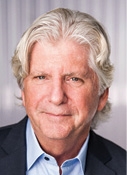
Eric Gillett is a founding member and managing partner at Preg, O’Donnell & Gillett. Follow him on LinkedIn at https://www.linkedin.com/in/eric-gillett. He is licensed in Washington, Oregon, and Alaska. He has tried dozens of cases to verdict and mediated hundreds more. A navigator of resolutions, he is a commercial mediator and can be contacted through his legal assistant, Jasmine Reddy, at 206.287.1775 or jreddy@pregodonnell.com. You can also reach him through his website at www.gillettmediation.com and his email at egillett@pregodonnell.com or eric@gillettmediation.com Mediations are available both in person and via Zoom.


